 FiberKit

How much fiber is in dried mango?
1 gfiber in ¼ cup (40 g)
That’s 4% of the Daily Value, under the 10% the FDA calls a good source. It still adds up over a day.
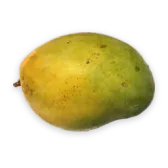
- Per serving
- 1 g
- Daily Value
- 4%
- Per 100 g
- 2.4 g
- In fruits
- #43 of 47
Soluble and insoluble fiber
Soluble 0.4 g (46%)Insoluble 0.5 g (54%)
Soluble fiber turns to gel and helps with cholesterol and blood sugar. Insoluble fiber adds bulk and keeps you regular.
Counts toward your 20 plants a week in FiberKit. Mango counts as the same plant.
Swap for more fiber


Compared with other fruits
| # | Food | Serving | Fiber | % DV | Soluble · insoluble |
|---|---|---|---|---|---|
| 1 |  Raspberries1 cup | 1 cup | 8 g | 29% | |
| 2 |  Blackberries1 cup | 1 cup | 7.6 g | 27% | No split data |
| 3 |  Gooseberries1 cup | 1 cup | 6.5 g | 23% | |
| 4 |  Persimmon1 fruit | 1 fruit | 6 g | 21% | |
| 5 |  Pear1 medium | 1 medium | 5.5 g | 20% | |
| 43 |  Mango, dried¼ cup | ¼ cup | 1 g | 4% |
Questions
How much fiber is in dried mango?
Dried mango has 1 g of fiber in ¼ cup (40 g), 4% of the Daily Value. That’s 2.4 g of fiber per 100 g.
Is dried mango high in fiber?
Not especially. One serving gives 4% of the Daily Value, under the 10% the FDA calls a good source.
Is the fiber in dried mango soluble or insoluble?
Both. A serving has 0.4 g of soluble and 0.5 g of insoluble fiber, so it’s 46% soluble.
How does dried mango compare with other fruits?
It ranks #43 of 47 fruits in FiberKit by fiber per serving. Raspberries leads with 8 g in 1 cup.
What’s a higher-fiber swap for dried mango?
Dried figs has 3.6 g in ¼ cup. That’s 2.6 g more than a serving of dried mango. Also try dried goji berries (3.6 g) or prunes (3.4 g).
Fiber: USDA FoodData Central, SR Legacy, FDC ID 169091. Values are for the serving shown and vary with variety and cooking.